Getting Started With Writing Centers in Kindergarten
Have you ever wanted to implement kindergarten writing centers but didn't know where to start? Today, I'm breaking it down for you step-by-step from setting up your writing centers to getting started right and working on those beginning writing skills.
Setting Up Your Writing Centers
It's important when setting up your kindergarten writing centers to think about the flow of your centers and what supplies students will need. The last thing you want is for students to be crowded or having to get up multiple times for supplies.
Tip #1: Choose your space.
Choose a spot for your writing centers that has all the materials your students will need. You also want to ensure there is ample space for students to work.
Consider left-handed students and make sure there is enough space for them to work and not knock elbows with their right-handed friends.
Using a kidney table or small group table in your writing centers space is a great way to keep students in one area and still allow each of them to work in their own space. This also allows the teacher to observe and assist students easily.
Tip #2. Gather materials.
To make it easy for students to access materials for each writing center activity, it's beneficial to prep bins of materials for students.
Look at the activities in your writing center and make a list of the supplies students will need, such as pencils, scissors, glue, crayons, clipboards, etc.
You can prep individual bins or partner bins that they can share with a table partner. You can use pencil boxes or baskets found at the dollar store.
It's also a good idea to keep a trashcan near the writing center area so students can clean up and throw paper scraps away as they go. This also teaches responsibility…yay!
Tip #3: Use visual aides.
One of the key benefits of kindergarten writing centers is that it helps students become more independent. However, young students need support and guidance, which is why visual aides are a must!
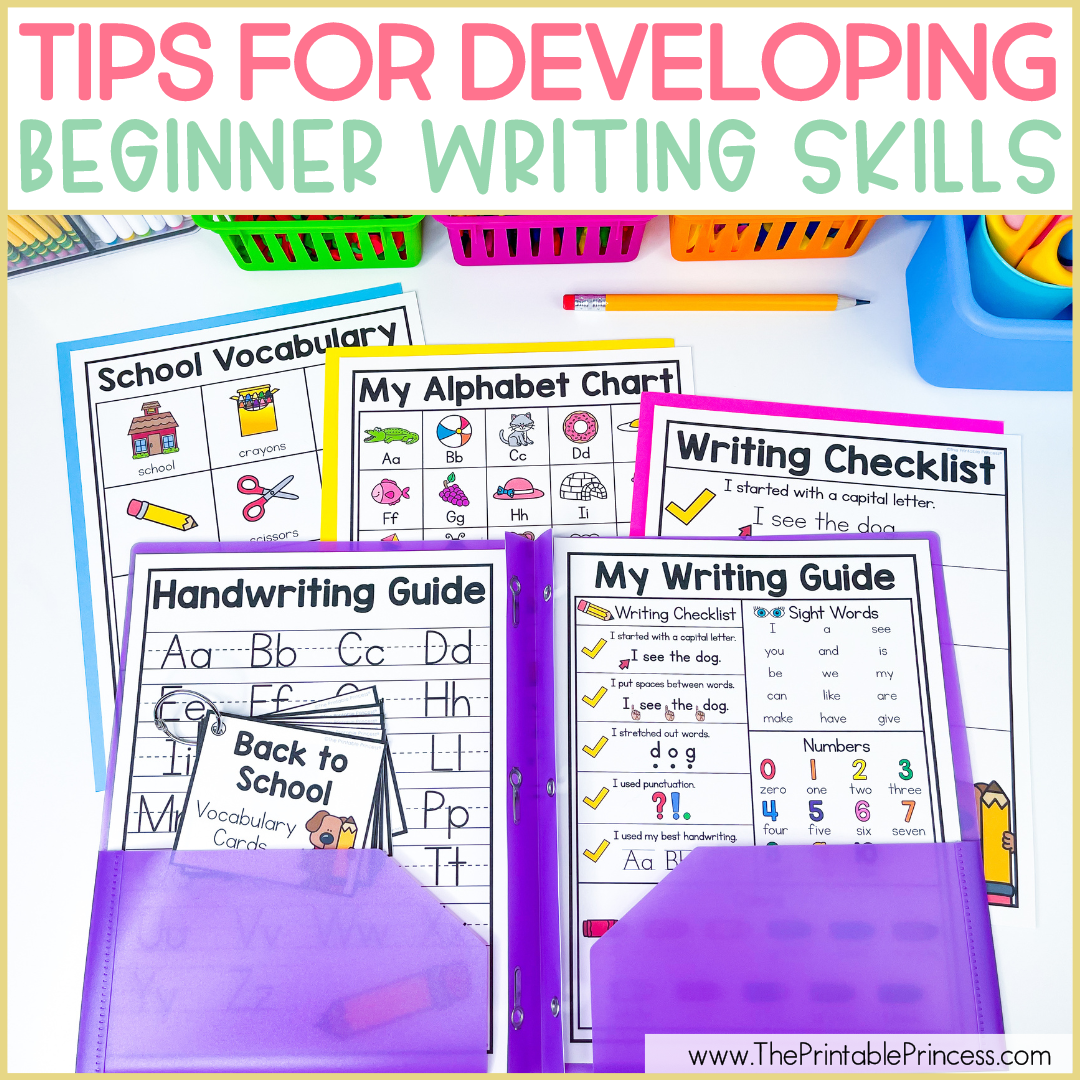
Hang up writing anchor charts and vocabulary picture cards at eye level so your students can reference them whenever they need to. Train your students to look at the anchor charts and picture cards before asking the teacher for help.
Tip #4: Prep student writing journals.
Using student writing journals is a great way to keep writing center activities organized. Get organized and make each student feel special by adding a student writing journal cover to each student's journal.
Students can keep their completed work in their journal as well as the work they need to finish up. A writing journal can also serve as a form of student portfolio to look back on as students grow and progress in their beginning writing skills.
Getting Started Right
Once you have your space set up for success, it's time to get started right with kindergarten writing centers.
Tip #5: Introduce vocabulary words.
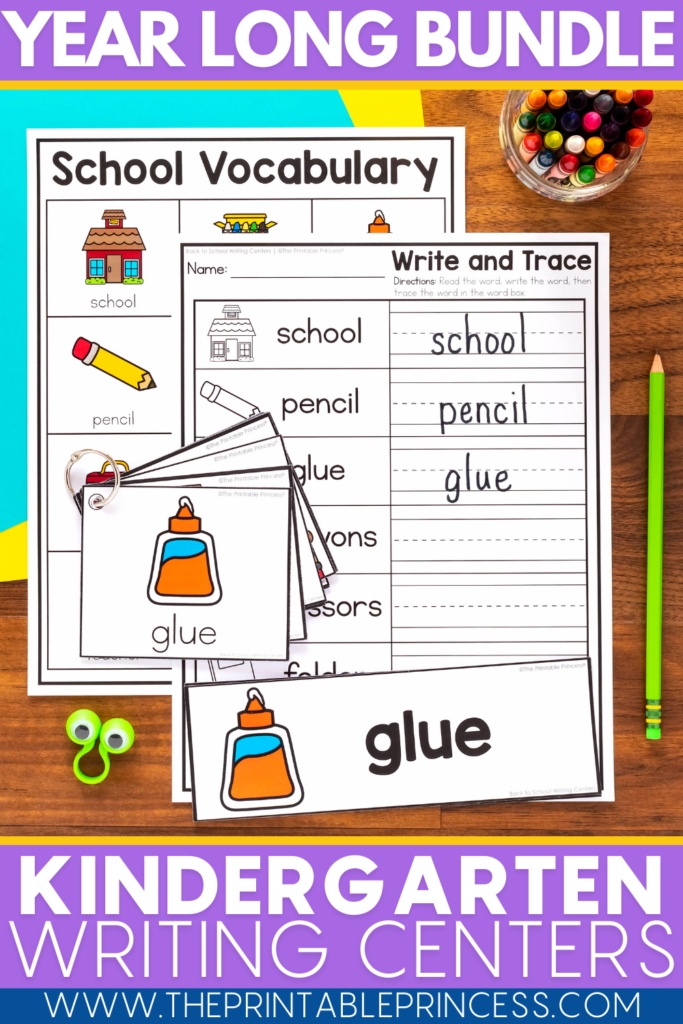
In your writing center, it's good practice to use kid-friendly vocabulary words and picture cards to help students learn new words and use them in context.
Take some time to introduce new vocabulary words to the entire class. You can even do this as a whole group mini lesson before you start your writing centers.
Introduce new vocabulary words each month to keep the writing centers fresh. By the end of the year, you'll be blown away by how many new words your students have learned.
Tip #6: Use “I can” cards.
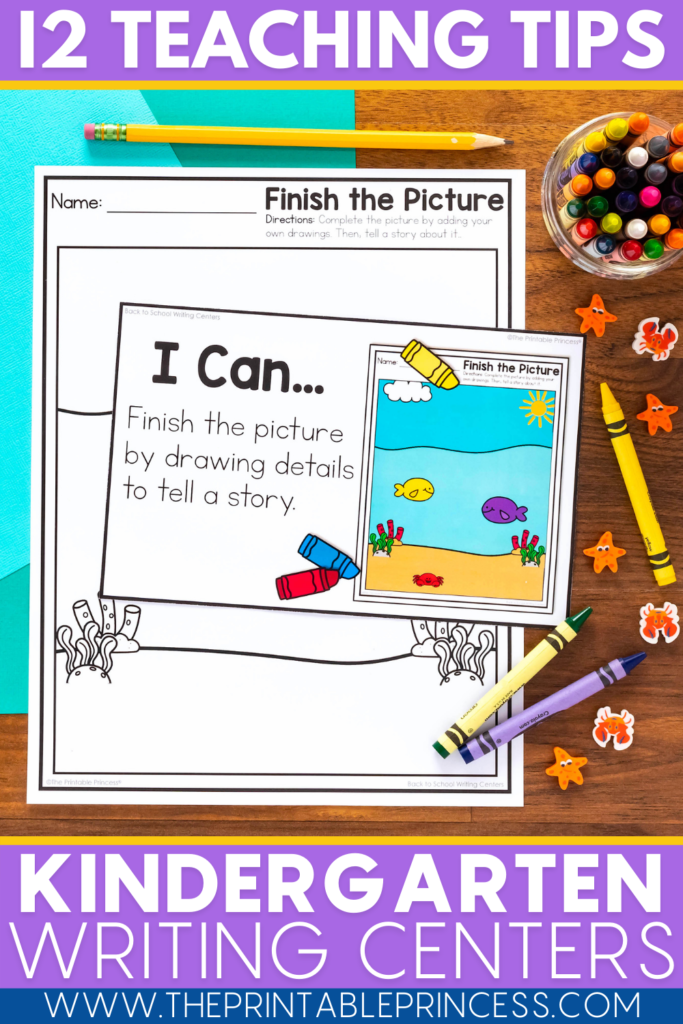
While students may have a hard time understanding standards and objectives, a great way to help them understand the purpose of each activity is with kid-friendly “I can” cards.
Introduce new activities with the corresponding “I can” card so students know what is expected of them during that activity.
It's a good idea to introduce new activities to your writing centers over time. This helps students focus on learning how to complete a few activities at a time instead of being overwhelmed.
As students master each activity's routine, introduce a new activity. Using kindergarten writing center activities that follow a similar structure each month makes planning and implementing centers that much easier too!
Tip #7: Discuss writing conventions.
As students begin to learn more about writing, it's key to discuss proper writing conventions with them. It's never too early to start teaching students the importance of capitalization, punctuation, and proper spacing.
Teach proper writing conventions by modeling how to use them or doing a mini lesson to fix up incorrect sentences. You can also include a writing checklist anchor chart on your writing wall and a writing guide for your students' writing journal.
Tip #8: Practice and model.
Just like with any instructional strategy, it's important to set expectations, practice, and model with your students. Discuss the expectations for writing centers and model on task behavior.
Talk about what students should do if they get stuck. For example, if they are stuck on a word and need help, they should try to sound it out, write the first sound they hear, draw a line showing they want a word there but need help, or just skip the word and move on.
This helps students think about problem-solving and helps foster that independence you're looking for. It's also important to practice transitioning to the writing center space, getting materials, and getting to work.
Working on Writing
Setting up your writing centers and going over routines and procedures is key, but now comes the fun part…working on writing!
Tip #9: Use a variety of activities.
Fact: Kindergarteners get bored easily and have a short attention span. Therefore, using a variety of kindergarten writing center activities is a must.
This keeps the learning fun, fresh, and allows students to practice several beginning writing skills. Plus, with a variety of activities, students have a lot of opportunities to problem-solve, be creative, and practice working independently.
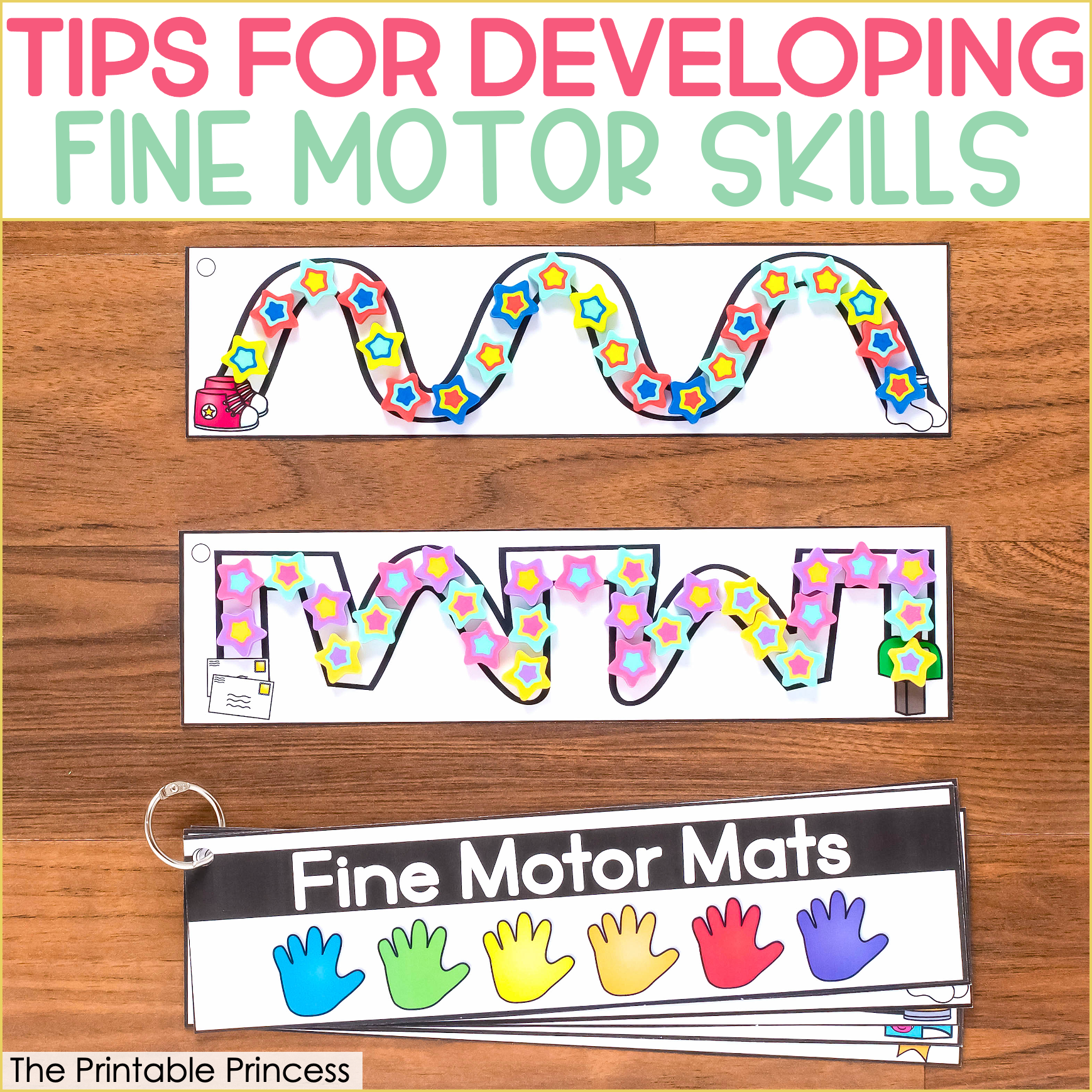
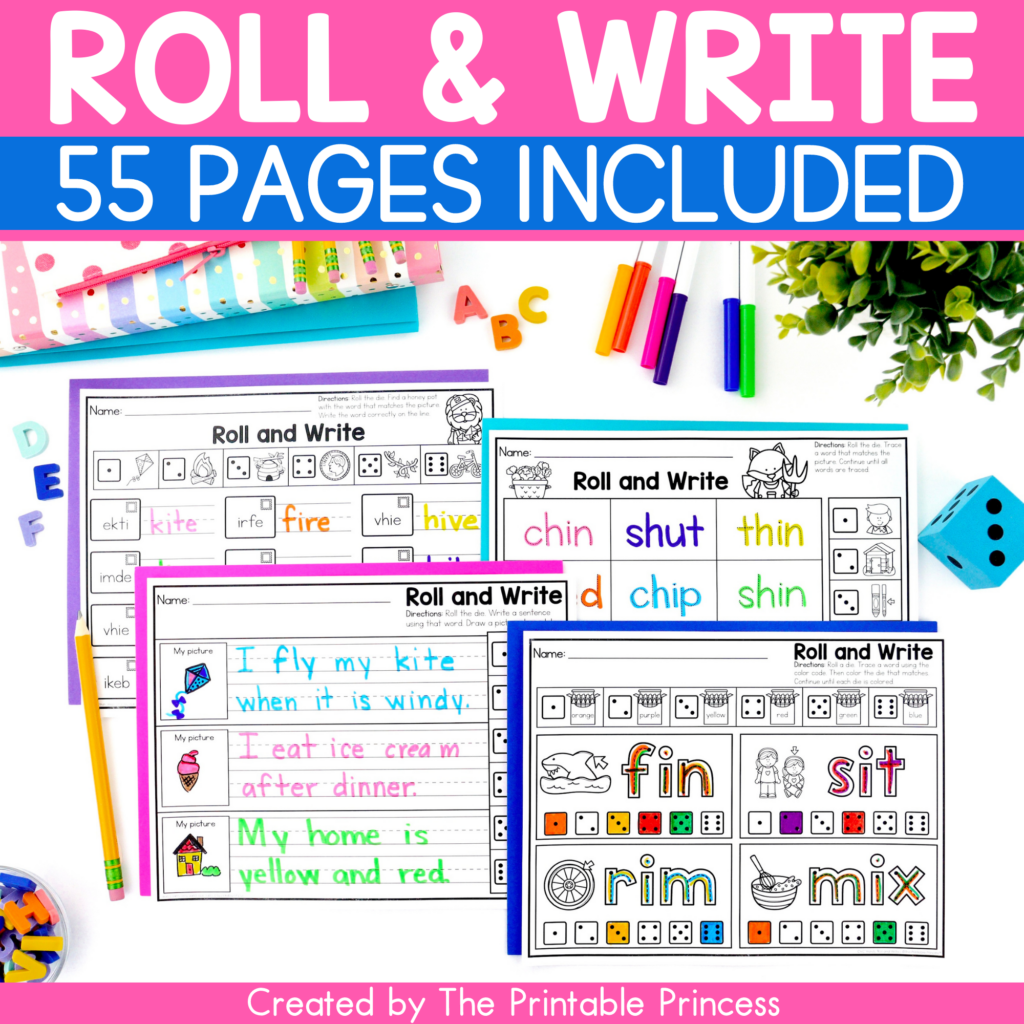
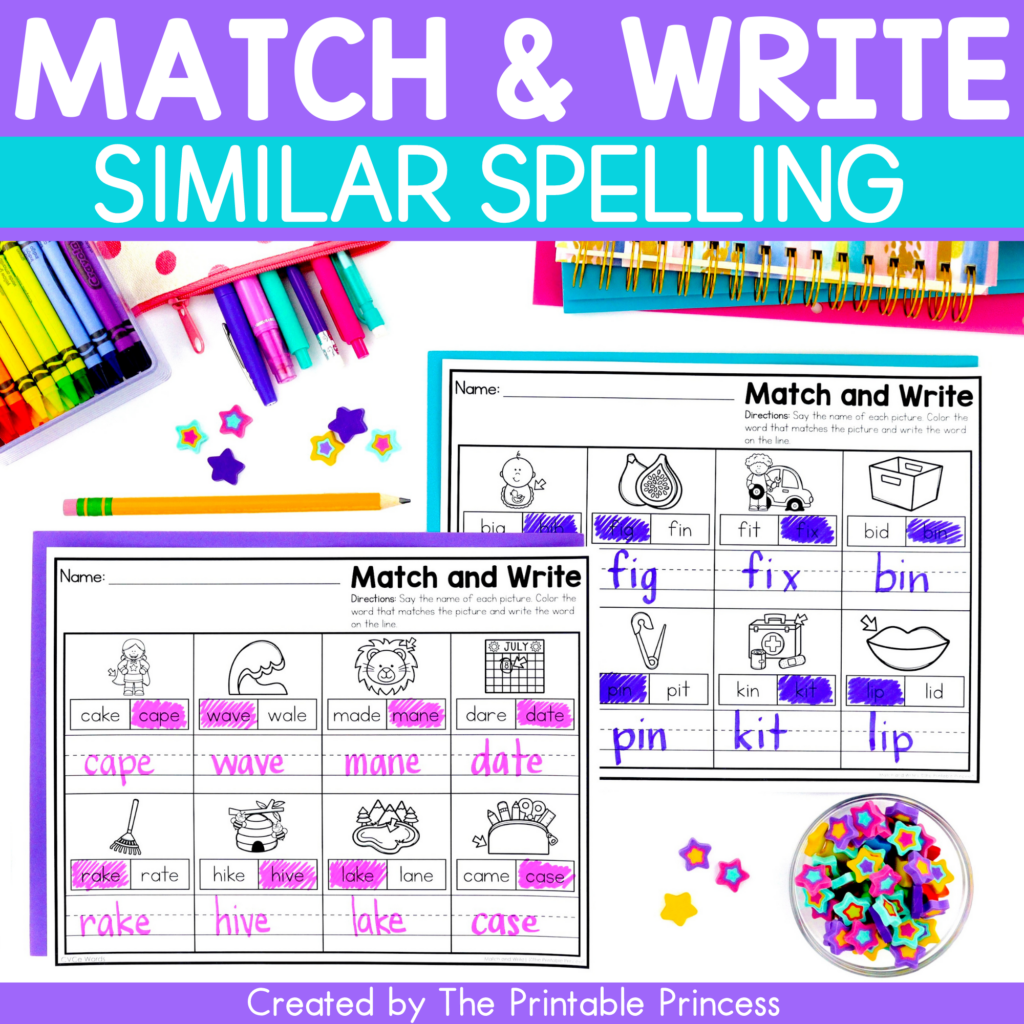
A few key activities to include in your kindergarten writing centers are: tracing, handwriting, labeling, making lists, write the room, sight word sentences, beginning sounds, finishing the sentence, writing stories, sequencing, fixing sentences, and writing a postcard.
You can find all of these activities in engaging monthly themes in my Kindergarten Writing Centers Growing Bundle.
Tip #10: Stay consistent.
Kindergarteners crave consistency. They feel in control when they know what is coming next and how to complete an activity. This is why it's so important to stay consistent all year long with your writing center activities.
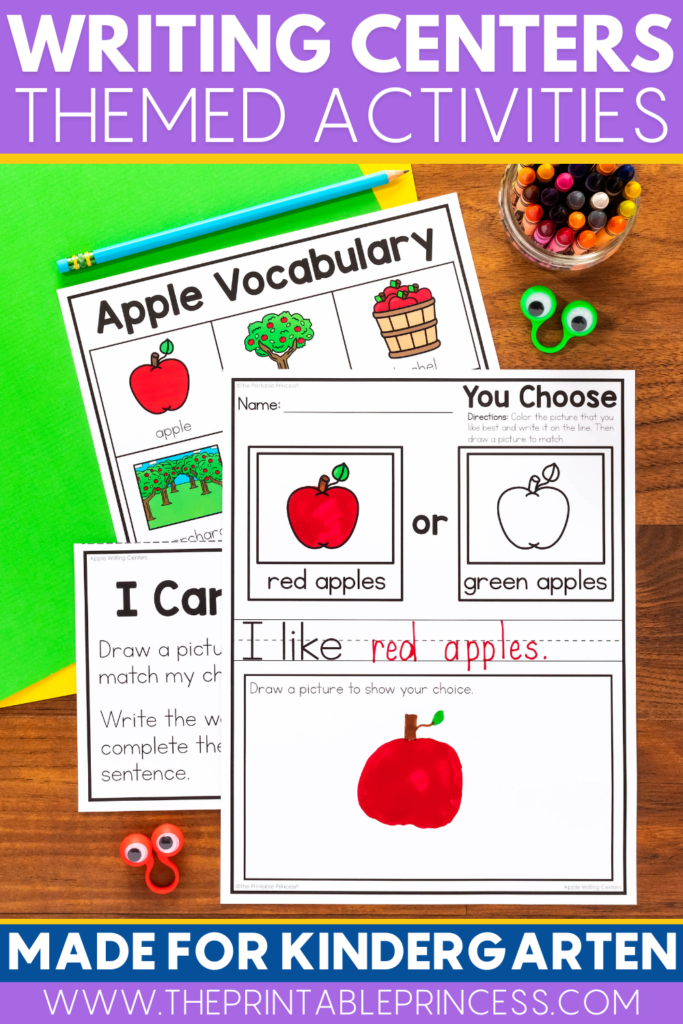
Of course, you can add new activities throughout the year, use different themed vocabulary words each month, and increase the challenge as your students' skills grow.
However, keeping your activities consistent and using familiar instructions will cut down on the time it takes to explain and teach new activities.
Tip #11: Support your beginning writers.
Teaching writing is a magical subject. You get to see your students' creativity come alive right before your eyes.
You also get to learn more about your students as they grow and express themselves through writing. Who knows, you may have the next bestselling author in your classroom?
Be sure to offer support to your beginning writers. Sit down with them one-on-one to talk about their writing and ask them questions. Help them grow their skills by offering support, yet letting them do it independently or with minimal help.
Tip #12: Celebrate student wins.
There's nothing better than watching the lightbulb go off in a student's brain and watching them grow right in front of you. Celebrate student wins by having them share their writing with the class.
You can even showcase their writing by having them show it off during show and tell. Hang up writing pieces in the classroom or create a bulletin board just for hanging up writing.
The more you can celebrate your students, the more they'll take pride in their work and have fun doing it.
I hope these tips for getting started with kindergarten writing centers have inspired you to implement this amazing form of instruction in your classroom!