

The First Day Back to School After Winter Break
The first day back to school after winter break is not without its challenges. Most of your students probably experienced a lot less structure to their days; sleeping in, spending lots of time with their families and friends, and having plenty of time to rest and play.
Easing them back in to the school routine will take a little careful planning. But it's important to put some plan and thought into the day. Just like you did on the first day of school. Because it is kinda like the first day of school all over again.
Here are six tips to help you (and your students!) make the transition gracefully.
Tips for the First Day Back After Winter Break:
Expect them to be tired.
You won't be the only one that's tired on the first day back to school after winter break. Your students will be too.
Allow your students a gentle lead in before ramping the pace back up to full speed. Just like an athlete who takes a break from training, your students will need a little time to get back in shape.
The good news is that generally the shorter the break, the quicker the recovery. Don't worry- it should just take a few days to get back into the swing of things.
Review rules and routines.
Getting back to the classroom community you worked so hard to establish first semester as quickly as possible is the ultimate goal after winter break. Review classroom rules and norms and reteach routines to refresh students' memories.
Reassure them that nothing has changed- they are returning to the same classroom with the same expectations that they left just a couple of short weeks ago.
Review academic concepts.
The first day back to school after winter break is not the time to introduce a new concept. Instead make this a day of review.
Be sure to thoroughly review concepts your students were working on, or mastered before winter break, before proceeding with any new material. Make it fun- play games or provide hands on activities.
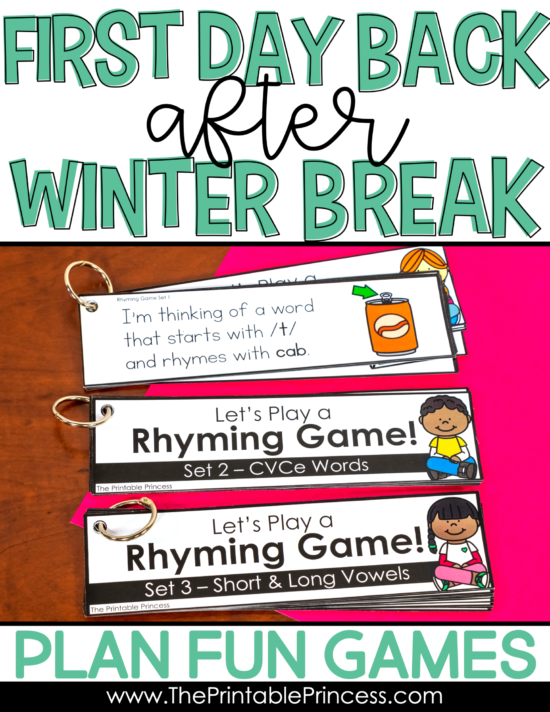
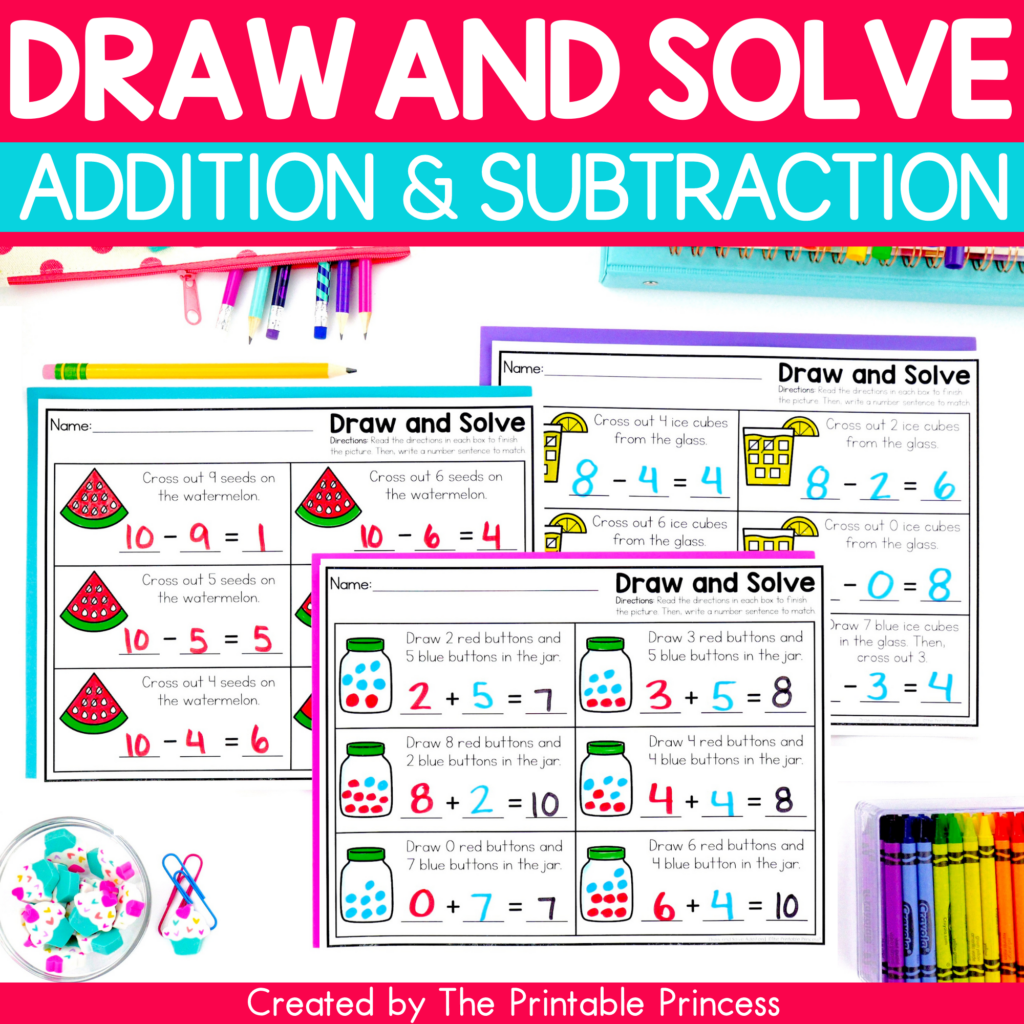
Whether you're reviewing Rhyming Words, CVC Words, Addition & Subtraction, or Numbers to 20 – avoid worksheets and provide hands-on practice. You can click on any of those skills for some suggested hands-on activities – that are easy to prep and won't have your students completing worksheets all day!
Give them time to tell their stories.
More than likely your students will come back to school bursting to share their experiences from winter break.
Plan activities that will let them tell their stories in different ways. Start with one quick highlight per student at circle time. Give them five minutes to share at their table groups.
Or try this whole group activity: play music while the students mingle around the classroom. When the music stops students pair up and swap stories. Repeat a few times so that kids get to talk to numerous classmates.
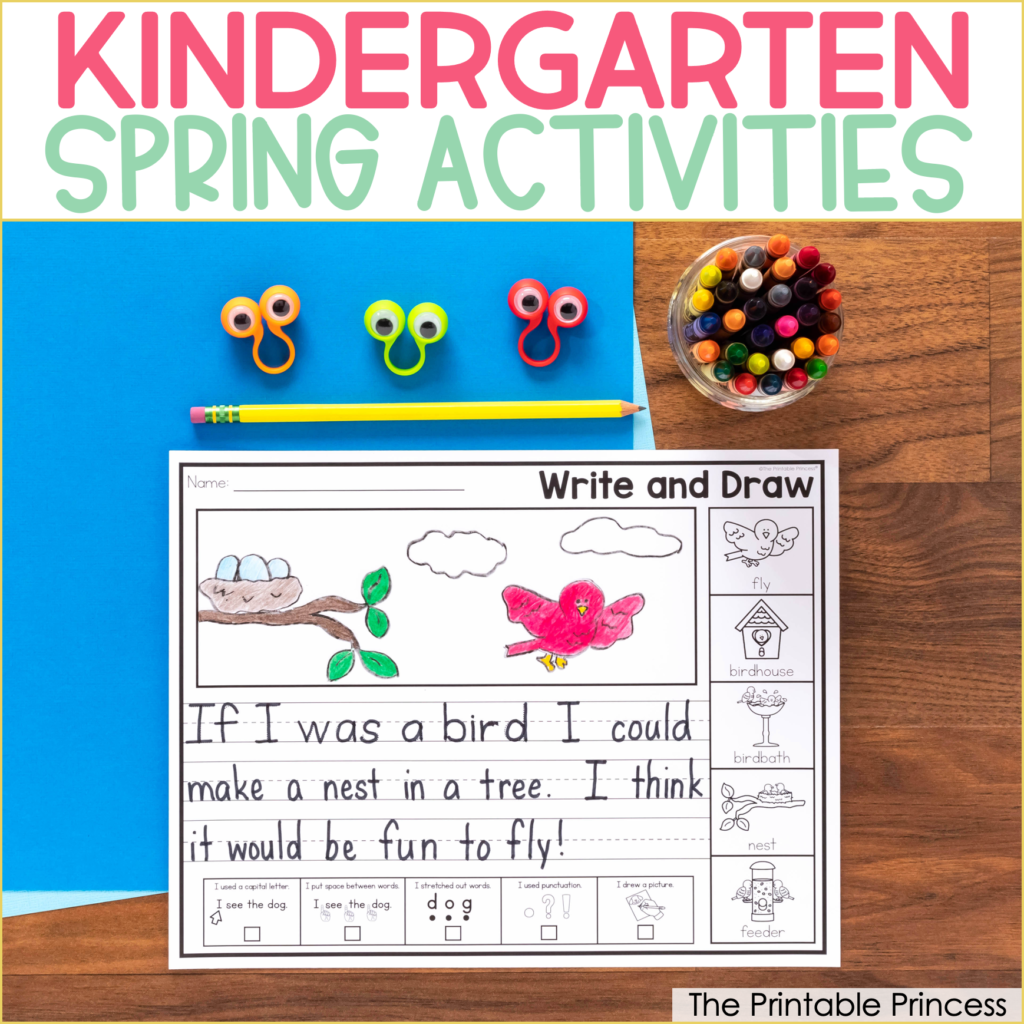
Finally, turn share time into a writing activity! Give students writing/drawing time to put their stories on paper. If time allows, have students share with the class or their table-mates.
Plan student-led, open-ended activities.
Don't expect your students to come right in and get to work on the first day back to school after winter break. Instead have blank paper on the table so they can draw. Or pull the math manipulatives out and let them explore. You could even use this math freebie to review numbers to 20.
Avoid planning activities that require your students to sit still and listen for long periods. Ease students back into the learning routine by incorporating movement and choice into your planning.
Set up stations for students to rotate through. Let them choose between options such as choice writing/drawing, sensory bins, hands-on math activities, choice reading and free play.
If you normally have a small group at your table during centers, consider skipping that for a day or two. Instead spend your time circulating just like you did during the first few days of centers at the beginning of the year.
Be on the lookout.
Undoubtedly, some of your little people will have a harder time than others being back at school again. After spending a couple of weeks at home, a little sadness is only natural.
Keep it positive and offer your students lots of smiles and hugs. Let them know how excited you are to have them back, and give them a preview of all the exciting new things they're going to learn this semester.
Have your students write letters and draw pictures about their first day back to take home to share with their families.
Yes, getting your learning community back on track requires a bit of effort, but the good news is the new year provides a great time for a fresh start…for everyone. With a little patience and lots of encouragement, your first day back to school after winter break will set the tone for an awesome rest of the year.
Until next time,




What an encouraging and positive set of reminders. Thanks for this article!
Thanks Melissa for these great suggestions on easing my students back to school after the holidays! I especially appreciated the idea to rotate around the room while my students are having reading centers, so I can check in quietly with individual students. I’m getting a new student, so that makes a logical and convenient time to review school-wide and classroom expectations! I hope everyone has a successful day back!